
Blog
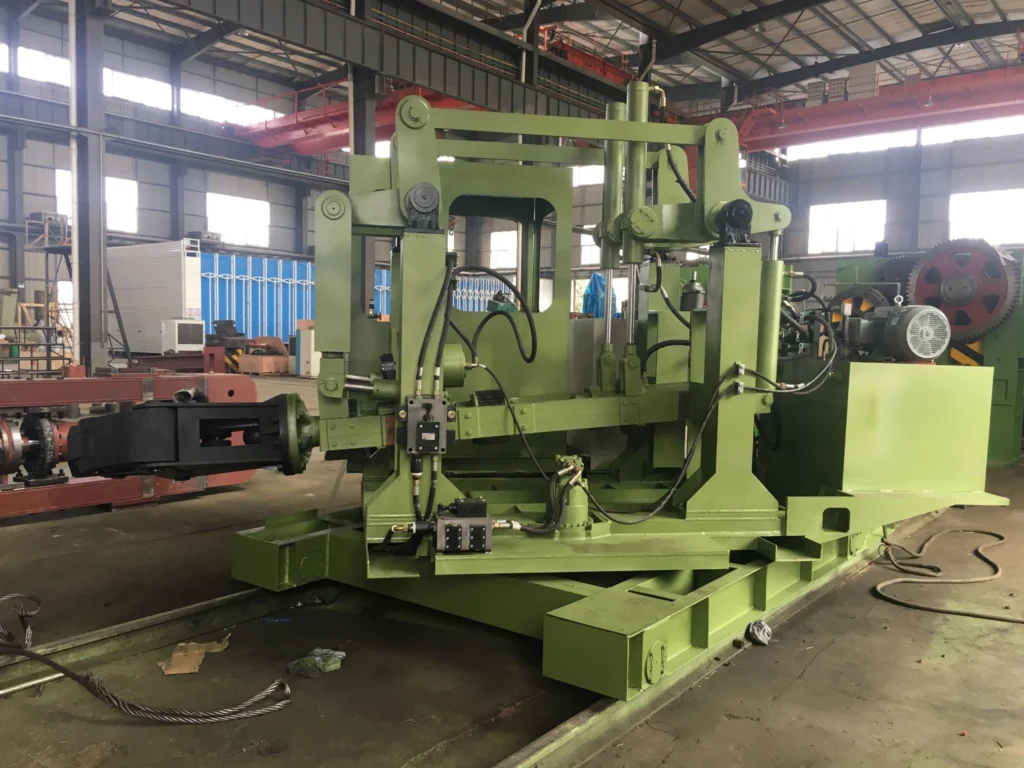
CNC Forging Manipulator for Open Die Forging Lines
CNC Forging Manipulator for Open Die Forging Lines addresses controlled handling of billets and forgings throughout repeated open die forging passes. The correct arrangement depends on the real workpiece, forging process and factory conditions rather than a nominal machine label alone.
A CNC forging manipulator can clamp, lift, feed, rotate and reposition a hot workpiece while working with an open die forging press or forging hammer. This guide explains the technical questions buyers should resolve before specifying equipment.
Understanding CNC forging manipulator for open die forging
The purpose of this equipment is controlled handling of billets and forgings throughout repeated open die forging passes. It is generally considered for shafts, bars, ingots, rings, discs and other workpieces that require repeated movement under a press or hammer.
The manipulator should be treated as part of the forging process. Its useful performance depends on whether its load capacity, jaws, movement envelope and controls match the changing workpiece condition throughout the planned forging sequence.
Key Technical Considerations
1. Workpiece and Forging Process
Begin with the finished component and work backwards through the forging route. Confirm maximum workpiece weight, clamping diameter, required movements, forging-machine working height and track layout. The heaviest or largest starting condition is important, but so are the intermediate shapes created as the billet is drawn, upset, rotated or reheated. A recommendation based on finished weight alone may not represent the most demanding handling condition.
2. Load, Clamping and Jaw Design
Rated load must be assessed together with workpiece geometry, centre of gravity and gripping position. Jaw opening and closing range, contact profile and clamping force should suit the actual hot dimensions. For round billets and shafts, a V-shaped arrangement may be suitable; special sections or pancake forgings can require a different jaw design.
3. Movement and Positioning Requirements
List every movement required during production, including travelling, feeding, lifting, lowering, lateral positioning, swinging and rotation. The necessary stroke, speed and operating sequence depend on controlled handling of billets and forgings throughout repeated open die forging passes. Movement values should be confirmed against the workpiece envelope and clearances, not selected from a general catalogue table.
4. Forging Machine Compatibility
The clamp centre height, forward reach and workpiece path must suit the working height and die area of the press or hammer. The practical integration requirement is that the manipulator, press or hammer, furnace, charging equipment and operator controls must be reviewed as one production system. Interface dimensions should be checked on an agreed layout drawing before manufacturing begins.
5. Controls, Automation and Safety
Manual, semi-automatic and CNC-linked control modes serve different production needs. The selected system should give the operator clear control of each permitted movement and include the required interlocks, emergency functions and status feedback. Automation should follow a verified forging sequence while retaining appropriate supervision and safe recovery procedures.
6. Layout, Installation and Service Access
Suitable Applications
Rail routes, foundation conditions, hydraulic power equipment, electrical cabinets and operator stations all require space. The final layout must also allow inspection of jaws, cylinders, hoses, wheels, rails and sensors. Planning only the production envelope and ignoring service access can make routine maintenance unnecessarily difficult.
CNC Forging Manipulator for Open Die Forging Lines may be considered for shafts, bars, ingots, rings, discs and other workpieces that require repeated movement under a press or hammer. Suitability still depends on a technical review of the complete operating condition.
- Open die and free forging operations
- Billet, shaft, bar or ingot handling where applicable
- Repeated feeding, rotation and repositioning
- Integration with hydraulic presses or open die forging hammers
- New production lines and compatible existing-machine upgrades
Materials can include carbon steel, alloy steel, stainless steel and other forgeable metals, subject to confirmation of temperature, surface condition, workpiece geometry and process requirements.
Production-Line Integration
the manipulator, press or hammer, furnace, charging equipment and operator controls must be reviewed as one production system. A complete line may include a heating or reheating furnace, charging equipment, the forging manipulator, a press or hammer, dies, measuring equipment, cranes and downstream handling.
The operating sequence should define where the workpiece is collected, which machine controls each movement, when rotation is permitted and how the operator responds to a stopped or abnormal cycle. Existing equipment can be retained only after its mechanical and control interfaces have been checked.
Selecting the Correct Configuration
Selection should confirm maximum workpiece weight, clamping diameter, required movements, forging-machine working height and track layout. Buyers should also define expected operating hours, production mix, future workpiece range and any need for manual, semi-automatic or linked operation.
A useful proposal explains the assumptions behind the recommended capacity, jaw range, movements, track arrangement and control system. If important information is missing, it is better to identify the gap than to present an unsupported final specification.
Information Buyers Should Provide for a Quotation
For a technical review and quotation, provide as much of the following information as possible:
- Workpiece and forging drawings
- Maximum and minimum hot workpiece weights
- Billet, ingot or shaft dimensions at each important stage
- Material grade and forging temperature
- Press or hammer type, capacity and working height
- Required manipulator movements and control mode
- Factory layout, rail route and available utilities
- Target production rate and operating schedule
Photographs and drawings of existing equipment can help identify interface constraints, but final dimensions should be confirmed from controlled technical documents.
Frequently Asked Questions
What is CNC forging manipulator for open die forging used for?
It is used for controlled handling of billets and forgings throughout repeated open die forging passes. The exact duty depends on the workpiece range, forging sequence and equipment arrangement.
How is the correct manipulator capacity selected?
Capacity is reviewed from the maximum handling condition, workpiece geometry, centre of gravity, gripping position, required movements and an appropriate engineering margin. Finished component weight alone is insufficient.
Can it work with an existing forging press or hammer?
Often yes, provided the working height, die area, clearances, travel route, controls and safety interfaces are compatible. An existing-machine survey is normally required.
Can the clamping jaws be customised?
Jaw design can be reviewed for round billets, shafts, ingots or special workpiece shapes. The hot dimensions, gripping surface and required rotation must be confirmed before the jaw arrangement is finalised.
What should be checked before placing an order?
Confirm the approved specification, layout, workpiece range, interfaces, utilities, foundation responsibilities, control philosophy, inspection requirements, commissioning scope and technical documentation.
Final Technical Review
Before confirming CNC forging manipulator for open die forging, review the workpiece data, forging route, main-machine interface, layout and control requirements together. The final machine should be selected for the complete operating envelope, including the heaviest, longest, hottest or most difficult intermediate condition.
Wiz Forging Machinery can review the available drawings and production information before recommending a WFM-style configuration. Final performance and specifications remain subject to the approved technical agreement.
Discuss CNC forging manipulator for open die forging with Wiz Forging Machinery
Send your workpiece drawings, material, hot dimensions, weight range, forging-machine details and factory layout to Wiz Forging Machinery for a technical review.
Use the separate machinery button to view our CNC Forging Manipulator range, or request a quotation for your project.