
Blog
Pneumatic Forging Hammer Dies and Tooling Explained
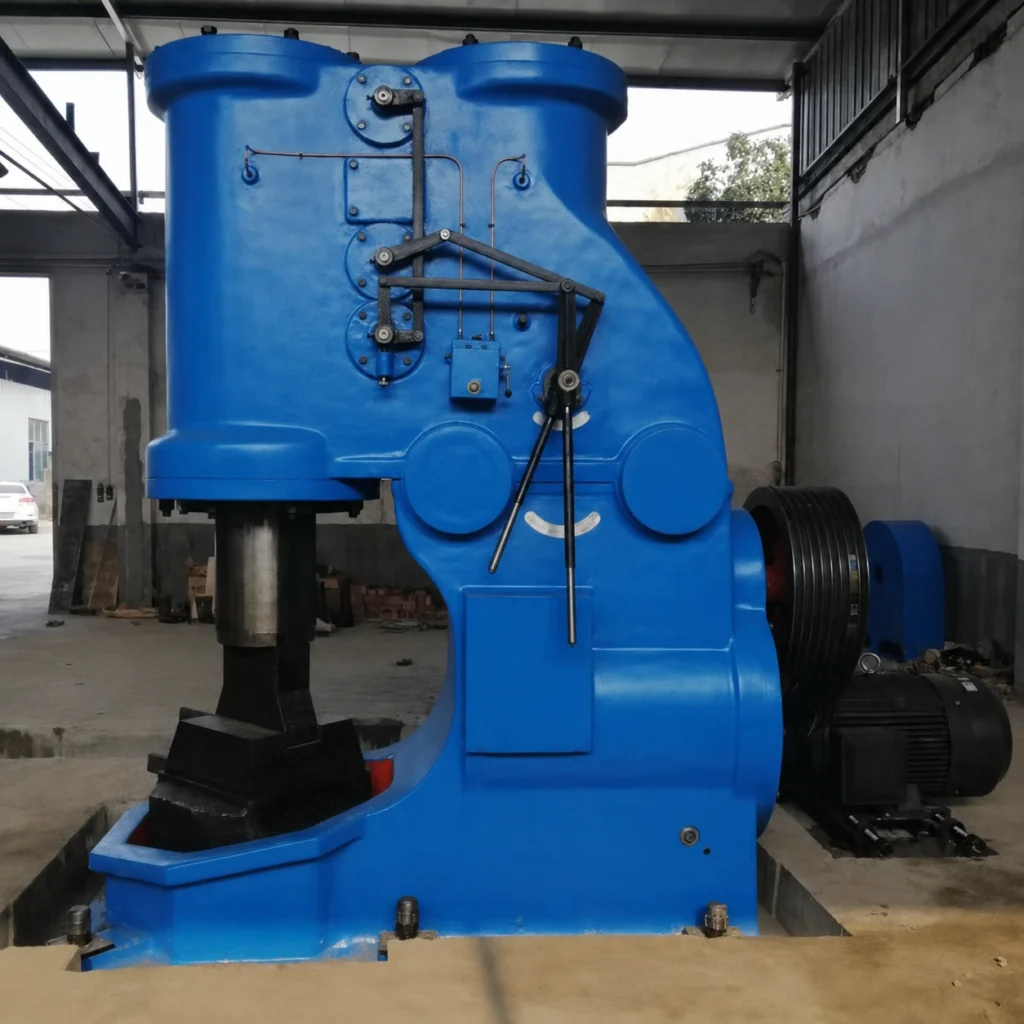
Pneumatic forging hammer dies and tooling determine how impact energy is transferred into the heated workpiece. Correct die shape, material, fixing and maintenance are essential for productive drawing, upsetting, flattening, fullering, swaging, punching and cutting.
This guide covers common tooling types and the information required for a tooling quotation. View the related pneumatic forging hammer machinery for machine details.
What Are Pneumatic Forging Hammer Dies?
The upper die is fixed to the ram and the lower die is mounted on the anvil or die seat. The workpiece is formed between these surfaces as repeated blows are delivered.
Dies may be flat for general open die work or shaped for a particular operation. Their dimensions and fixing arrangement must match the hammer, and their material and heat treatment must suit the operating loads and temperature exposure.
Which Dies and Tools Are Commonly Used?
1. Flat Dies
Flat dies are used for general drawing, upsetting, flattening and finishing. They provide a versatile working surface for varied open die components.
Edge radius, face condition and alignment influence material flow and surface marking.
2. Fullering Tools
Fullers concentrate deformation in a local area and help move material away from a selected section. They may be used to establish shoulders or begin drawing operations.
The fuller radius should suit the workpiece and avoid excessive local stress.
3. Swages
Swages help form round, hexagonal or other controlled sections. Top and bottom tools may work together around the hot workpiece.
Tool profile, clearance and intended finishing allowance should be defined from the part requirement.
4. Punches and Drifts
Punches create openings in hot stock, while drifts size or shape the opening. The workpiece must be supported and positioned correctly during these operations.
Punch taper, cooling practice, removal method and hole allowance should be considered.
5. Hot-Cutting Tools
Hot cutters divide heated stock or remove excess material. Cutting edges, support and workpiece orientation must be designed for the intended section.
Operators should avoid striking unsuitable or cold material that can damage the tool.
6. Custom Shaped Dies
How Do Common Tooling Types Compare?
Repeated products or specialised profiles may justify custom tooling. Drawings, expected quantities, material flow and machining allowance are needed to develop the shape.
Custom dies should not restrict safe workpiece movement or maintenance access.
| Tool | Main Function | Key Design Point |
|---|---|---|
| Flat die | General drawing and flattening | Face size, radius and alignment |
| Fuller | Local material displacement | Radius and concentration of load |
| Swage | Controlled section forming | Profile and clearance |
| Punch | Create an opening | Taper, support and removal |
| Drift | Size or shape a hole | Final profile and allowance |
| Hot cutter | Cut heated stock | Edge geometry and support |
How Are Dies Fixed and Aligned?
The fixing method depends on the hammer design and may use wedges, dovetails or other engineered arrangements. Contact surfaces must be clean, and the dies must be seated and secured according to the machine instructions.
Upper and lower dies should align correctly. Loose or misaligned tooling can affect part quality, damage fixing surfaces and create an unsafe operating condition. Die changes should follow a documented procedure.
How Should Dies Be Maintained?
Inspect die faces, edges, fixing surfaces and wedges regularly. Look for cracking, deformation, excessive wear, looseness and abnormal marking. Maintain appropriate radii and remove defects using an approved repair procedure.
Tooling life depends on die material, heat treatment, workpiece temperature, blow intensity, lubrication or cooling practice, alignment and operator method. Worn tooling should be repaired or replaced before it affects safe operation.
What Is Required for a Die and Tooling Quotation?
Provide the hammer make or die-seat dimensions, upper and lower fixing details, component and forging drawings, material grade, billet size, required operation, expected quantity and any existing tooling photographs.
For custom dies, identify machining allowance, critical dimensions, preferred die material where specified and whether trials, samples or spare sets are required.
Frequently Asked Questions
Can one set of flat dies make different products?
Flat dies are flexible for general open die work, but the practical product range depends on die size, hammer capacity and required geometry.
Are dies interchangeable between different hammers?
Not automatically. Die dimensions, dovetail or fixing geometry, working space and alignment must match the specific hammer.
What material should forging dies use?
Material and heat treatment should be selected for impact loading, hot contact and wear. The appropriate grade depends on die size, operation and service conditions.
Why do die edges need a radius?
A suitable radius supports smoother material flow and can reduce excessive marking or stress concentration. The correct radius depends on the operation.
How often should tooling be inspected?
Operators should perform routine checks before and during use, with more detailed inspections scheduled according to production intensity and the maintenance plan.
What information is needed for custom dies?
Provide part and forging drawings, material, billet, operation sequence, hammer fixing dimensions, expected quantity and required spare-tooling scope.
Technical Tooling Review and Quotation
Wiz Forging Machinery can review the hammer, die fixing, forged part and operation before recommending standard or custom tooling. The tooling scope should be coordinated with hammer capacity and workpiece handling.
Send your drawings, die dimensions and process information. Request a quotation or view our pneumatic forging hammer solutions.