
Blog
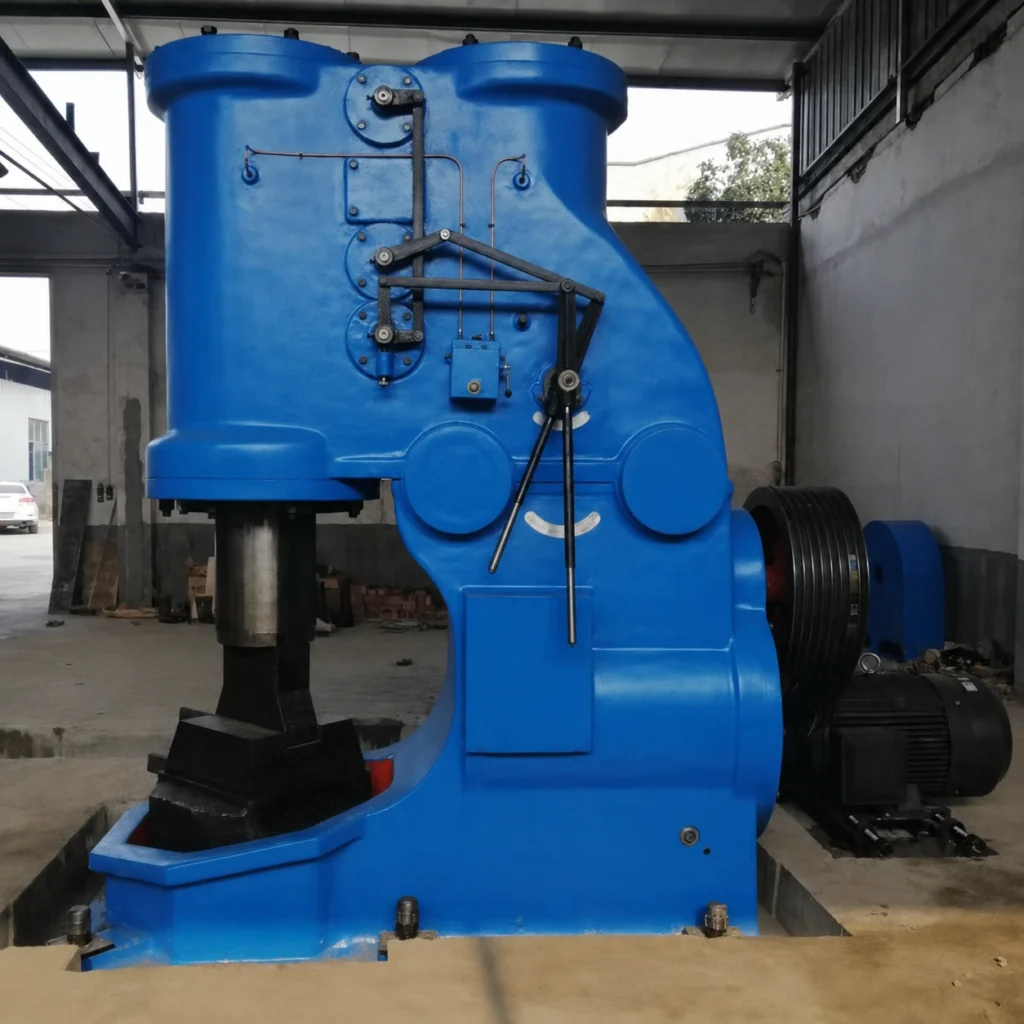
Pneumatic Forging Hammer Installation and Foundation Guide
Correct installation is essential for pneumatic forging hammer alignment, stability and long-term operation. The machine, anvil, foundation, electrical supply, lifting plan and surrounding production area must be prepared before commissioning.
This guide provides project-planning information, but the final foundation and installation must follow the approved machine drawings and local engineering requirements. Review our pneumatic forging hammer machinery for equipment information.
Why Is the Foundation Part of the Forging System?
Every hammer blow transfers energy through the dies, workpiece, anvil and foundation. The foundation supports the equipment, maintains relative alignment and distributes dynamic loads into the ground.
A foundation that is undersized, poorly constructed or based on unsuitable soil assumptions can contribute to excessive vibration, settlement, movement and alignment problems. The machine supplier’s loads and dimensions should be reviewed by a qualified local foundation engineer.
Which Installation Areas Require Planning?
1. Site and Ground Investigation
Confirm soil bearing conditions, groundwater, existing floor construction, nearby foundations and any vibration-sensitive buildings or equipment. Local civil engineering requirements may affect the design.
The investigation should be completed before excavation or reinforcement is finalised.
2. Foundation Design
The design should use the approved hammer and anvil dimensions, static and dynamic loads, anchor arrangement and required isolation method. Reinforcement, concrete grade and curing must follow the engineered plan.
Generic foundation dimensions should not be copied between different hammer sizes or sites.
3. Lifting and Positioning
Prepare cranes, lifting points, slings and access routes for the heaviest machine component. Check door width, roof height, floor loading and crane coverage.
A documented lifting plan reduces risk during unloading and assembly.
4. Machine and Die Alignment
The anvil, frame, ram guides and dies must be aligned within the machine instructions. Contact surfaces should be clean and correctly seated before final fixing.
Alignment should be rechecked after initial operation and any foundation settling period specified by the engineer.
5. Electrical and Utility Connections
Confirm voltage, frequency, phase, available power, cable sizing, protective devices, earthing and isolation. Auxiliary equipment may require additional electrical, hydraulic, pneumatic, fuel or cooling connections.
Local electrical work should be completed by qualified personnel.
6. Operating and Maintenance Space
Pneumatic Forging Hammer Installation Sequence
Allow room for workpiece handling, tongs or manipulators, die changes, lubrication, inspection and future removal of major components.
Safe routes should separate hot material, operators, cranes and vehicles.
| Stage | Main Activity | Verification |
|---|---|---|
| Planning | Confirm layout, loads and utilities | Approved drawings and responsibilities |
| Civil work | Excavate, reinforce and pour foundation | Dimensions, levels and concrete records |
| Curing | Allow specified concrete strength development | Engineer’s acceptance before loading |
| Placement | Lift and position anvil and machine | Correct orientation and clearances |
| Alignment | Level, fix and align components | Die and ram relationship checked |
| Connection | Install electrical and auxiliary services | Protection, earthing and rotation |
| Commissioning | Inspect, lubricate and test progressively | No-load and controlled hot trials |
How Should Noise, Vibration and Safety Be Addressed?
Forging hammers create impact noise and ground vibration. The site may require isolation measures, acoustic treatment, hearing protection zones and monitoring based on local regulations and nearby receptors.
Plan guards, emergency stops, electrical isolation, hot-work handling, die-change procedures and restricted zones. The final risk assessment belongs to the operating factory and should reflect the installed line.
What Happens During Commissioning?
Commissioning normally includes mechanical inspection, lubrication, fastener and die checks, electrical verification, correct motor rotation, control testing and progressive operation. Hot trials should use agreed workpieces and tooling.
Operators should receive instructions on controls, lubrication, routine inspections, safe workpiece handling and emergency procedures. Initial settings and observations should be recorded.
What Information Is Needed Before Installation?
Provide a scaled layout, proposed machine position, soil or foundation information, floor level, access routes, crane capacity, roof height and local vibration constraints. Confirm voltage, frequency, available power and cable distance.
Define who is responsible for civil design, construction, unloading, lifting, electrical work, consumables, local permits, commissioning support and operator training.
Frequently Asked Questions
Can the hammer be installed on an existing workshop floor?
Usually not without engineering review. A forging hammer normally requires a purpose-designed foundation based on its loads and the site conditions.
Who designs the foundation?
The machine supplier provides equipment data and a reference or equipment foundation drawing. A qualified local civil engineer should verify the final design for the site.
How long must concrete cure?
The required time depends on the concrete design, test results and engineer’s instructions. The equipment should not be loaded before the specified strength is achieved.
Is vibration isolation always required?
The requirement depends on hammer size, foundation design, soil, nearby equipment, buildings and local limits. It should be assessed for each site.
What lifting information is needed?
Confirm component weights, dimensions, lifting points, delivery vehicle, access path, crane capacity and available headroom.
What should be checked after installation?
Check fixing, alignment, lubrication, electrical protection, motor rotation, controls, die seating and progressive operating behaviour.
Installation Review Before Manufacture and Delivery
Wiz Forging Machinery can provide machine dimensions, loads, utility data and installation guidance for the selected pneumatic forging hammer. Early layout review helps identify civil, lifting and access issues before shipment.
Send your machine application, factory layout and utility information. Request a quotation or view our pneumatic forging hammer range.