
Blog
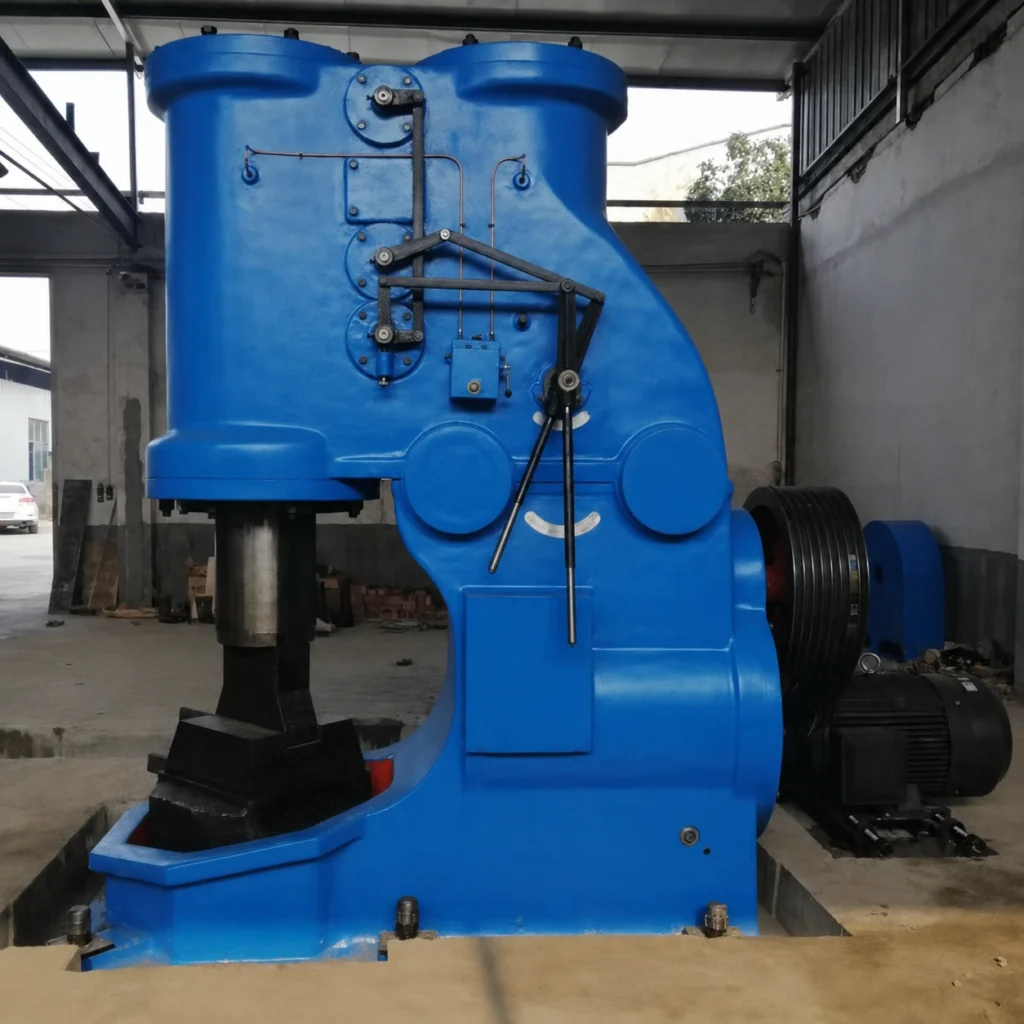
Pneumatic Forging Hammer Maintenance and Service Guide
Routine maintenance helps a pneumatic forging hammer deliver stable blows, maintain die alignment and avoid preventable downtime. A practical programme should cover lubrication, cylinders, seals, ram guides, dies, fasteners, drive components, electrical equipment and the foundation.
Maintenance intervals must follow the manual for the specific machine and the factory’s operating conditions. For machinery and service discussions, see our pneumatic forging hammer solutions.
Why Does Preventive Maintenance Matter?
Forging hammers operate under repeated impact, heat, scale, vibration and high local loads. Wear or looseness can develop gradually, so waiting for a complete failure can increase repair time and damage related components.
Daily checks, scheduled inspections and accurate records allow the maintenance team to identify changes in noise, vibration, blow response, lubrication consumption, leakage and die condition before they become serious.
Which Components Need Regular Attention?
1. Lubrication System
Check specified lubrication points, oil levels, delivery and lubricant condition. Use the grade and quantity stated in the machine documentation.
Blocked passages, insufficient lubrication or contamination can accelerate wear in guides, bearings and moving surfaces.
2. Compressor and Working Cylinders
Inspect for abnormal leakage, temperature, noise and reduced operating response. Cylinder surfaces, pistons and seals should be assessed during scheduled service.
Internal work should follow safe isolation and disassembly procedures.
3. Ram Guides and Alignment
Guide condition affects ram stability and die alignment. Monitor clearance, lubrication, wear patterns and any side movement.
Adjustment or replacement should follow specified tolerances rather than visual judgement alone.
4. Dies, Wedges and Fixing Surfaces
Inspect die faces, edges, wedges, dovetails and seating areas for cracks, deformation, looseness and scale build-up. Dies must remain securely fixed and correctly aligned.
Stop operation if tooling cannot be secured or if damage creates a safety risk.
5. Motor and Transmission
Check motor condition, fasteners, coupling or belt arrangement, guards and electrical current against the maintenance plan. Abnormal heat, vibration or noise should be investigated.
Electrical isolation is required before access to driven components.
6. Frame, Anvil and Foundation
Suggested Maintenance Schedule
Inspect structural fasteners, visible frame condition, anvil seating, anchors and surrounding foundation for movement or cracking.
Changes in vibration or alignment may require a mechanical and civil-engineering review.
| Frequency | Typical Checks | Record |
|---|---|---|
| Before each shift | Lubrication, leakage, dies, guards and abnormal condition | Operator checklist |
| During operation | Noise, vibration, heat, blow response and looseness | Shift observation |
| Weekly | Fasteners, drive condition, guide lubrication and cleaning | Maintenance log |
| Scheduled shutdown | Clearances, seals, cylinders, electrical and foundation inspection | Measured service report |
| After repair | Alignment, control and progressive test | Commissioning record |
This is a planning example only. Use the machine manual to set the actual intervals and tasks.
What Warning Signs Require Investigation?
Warning signs can include reduced blow response, irregular ram movement, increasing air or oil leakage, unusual noise, overheating, excessive guide movement, loose dies, repeated fastener loosening, abnormal motor current or new vibration.
Do not continue production simply by increasing control input. Isolate the machine when required, identify the cause and repair it using suitable parts and procedures.
How Should Spare Parts Be Planned?
Recommended spares depend on operating intensity and site location. Common planning may include seals, wear components, lubrication items, electrical devices, belts or coupling parts and selected die-fixing components.
Maintain a list using machine serial number, drawing reference and part number. Storage should protect seals, electrical parts and machined surfaces from heat, moisture, contamination and corrosion.
What Information Is Needed for Service Support?
Provide the machine identification, installation date, operating hours, workpiece range, symptoms, alarm or electrical information, photographs and video where safe to obtain, maintenance history and recent repairs.
For performance issues, record when the problem occurs, whether the machine is hot or cold, control position, material and any changes made before the fault appeared.
Frequently Asked Questions
How often should a pneumatic hammer be lubricated?
Follow the machine’s lubrication schedule and the operating environment. High-duty or dusty conditions may require closer monitoring.
What causes weak or irregular blows?
Possible causes include leakage, seal wear, incorrect adjustment, guide problems, drive issues, poor lubrication or an unsuitable workpiece condition. Diagnosis should follow the manual.
When should dies be replaced?
Repair or replace dies when wear, cracking, deformation or fixing damage prevents safe operation or acceptable forging quality.
Can operators perform all maintenance?
Operators can complete authorised routine checks and lubrication. Internal, electrical or precision adjustment work should be handled by trained maintenance personnel.
Why should clearances be measured?
Measured clearances show wear progression and help determine whether adjustment or component replacement is required before alignment deteriorates.
What should a service request include?
Include machine identification, symptoms, operating conditions, records, photographs, safe video evidence and the results of checks already completed.
Technical Maintenance Review and Service Support
Wiz Forging Machinery can review maintenance questions using machine identification, operating data and documented symptoms. Clear information helps distinguish tooling, adjustment, wear, electrical and foundation-related causes.
For a new machine or service enquiry, send your technical information through our quotation page or review the pneumatic forging hammer range.