Choosing the right billet cutting machine is important for production efficiency, billet consistency and long-term machine performance. A machine that is too small may struggle with the required material size, while a machine that is too large may increase investment cost unnecessarily.
The best choice depends on the bar diameter, material grade, billet length, production speed, automation level and how the machine will connect with the rest of the production line.
1. Confirm the Material Type
The first step is to confirm the material being cut. Carbon steel, alloy steel, stainless steel, bearing steel and other metals may require different cutting force. Harder or stronger materials normally need higher shear force.
When requesting a quotation, always provide the material grade where possible. This helps the supplier recommend a suitable billet cutting machine instead of relying only on bar diameter.
2. Confirm the Bar Diameter
The maximum cutting diameter is one of the most important specifications. A machine should be selected based on the largest bar diameter you plan to cut. It is also useful to consider future production requirements, especially if your factory may handle larger billets later.
For round bar cutting, the diameter directly affects cutting force. For square or special-shaped material, additional details may be needed.
3. Confirm the Billet Length
Billet length affects feeding, positioning and discharge design. Short billets may require different handling compared with longer cut pieces. If the billet length must be tightly controlled, the feeding and positioning system becomes especially important.
Accurate billet length helps improve heating consistency and forging quality.
4. Confirm Production Output
Different factories have different output targets. A small workshop may need moderate cutting capacity, while a high-volume forging line may require automatic feeding, automatic cutting and automatic counting.
If the billet cutting machine is part of a continuous forging line, its speed should match the heating and forging equipment. Otherwise, billet preparation can become a production bottleneck.
5. Decide the Automation Level
A basic billet cutting machine may be suitable for lower production volumes. For higher efficiency, automatic feeding and discharge systems can reduce manual work and improve consistency.
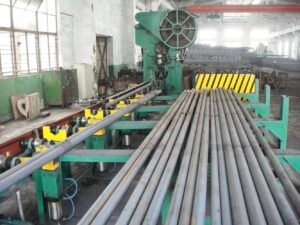
Automation options may include roller conveyors, feeding tables, PLC control, automatic counting, lubrication systems and safety guarding.
6. Check Workshop Layout
Before purchasing, check the available space for the machine, feeding table and discharge area. Long steel bars require enough loading space, and the machine should be positioned for safe operation and easy maintenance.
For complete forging lines, the billet cutting machine should be planned together with heating equipment, forging press or hammer, trimming press and handling equipment.
7. Review Maintenance and Support
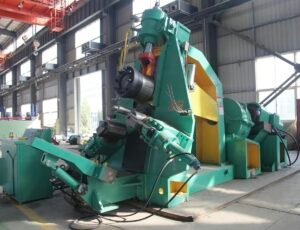
A good billet cutting machine should be practical to maintain. Check blade access, lubrication points, overload protection and spare parts availability. Reliable after-sales support is also important, especially for industrial production equipment.
Conclusion
The right billet cutting machine should match your material, bar diameter, billet length, output target and automation needs. By preparing these details before enquiry, you can receive a more accurate machine recommendation and avoid choosing equipment that is underpowered or unsuitable for your production line.